Cooking is a playground where ingredients transform into delicious dishes. Juggling between grams, milliliters, cups, and spoons can quickly become a headache. Fortunately, mastering the art of volume conversion allows for greater precision and confidence.
Simple tips, like memorizing a few basic conversions or using online tools, can greatly ease the task. Conversion calculators and dedicated apps prove invaluable for adjusting quantities and successfully executing each recipe. With these resources, cooking becomes a space where improvisation and rigor coexist harmoniously.
The Fundamentals of Volume Conversion in Cooking
In cooking, precision is key. Culinary art requires mastery of units of measurement to ensure recipe success. Volumes, whether measured in cups, milliliters, or grams, must be converted accurately. A simple conversion error can alter the texture, taste, and appearance of dishes.
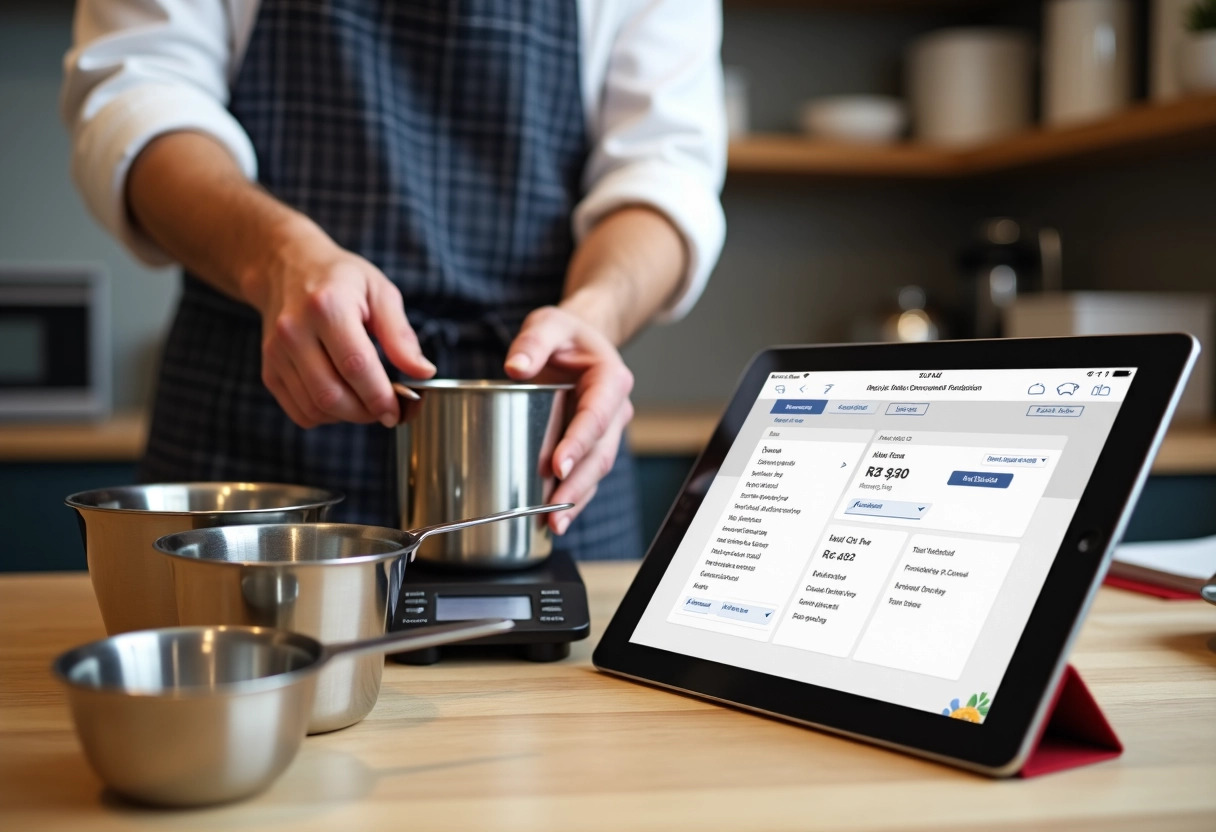
To measure liquid ingredients like oil, milk, or sauces, use measuring cups suitable for the metric system. For dry ingredients such as flour, sugar, or spices, a digital kitchen scale is recommended. These tools ensure optimal precision and minimize conversion errors.
- 50 cl to ml: 500 ml
- 1 cup: about 240 ml
- 1 tablespoon: about 15 ml
- 1 teaspoon: about 5 ml
The density of ingredients also influences precise conversion between units of measurement. For example, 100 grams of flour does not have the same volume as 100 grams of sugar. To ensure consistency in culinary results, a reliable conversion chart is essential, especially in professional catering.
In mixology, where precision is also fundamental, knowing the conversions between different units of measurement allows for the creation of balanced cocktails. Experience and intuition play a major role here, but a rigorous understanding of volume measurements is equally essential.
The Best Online Tools and Tips for Accurate Conversions
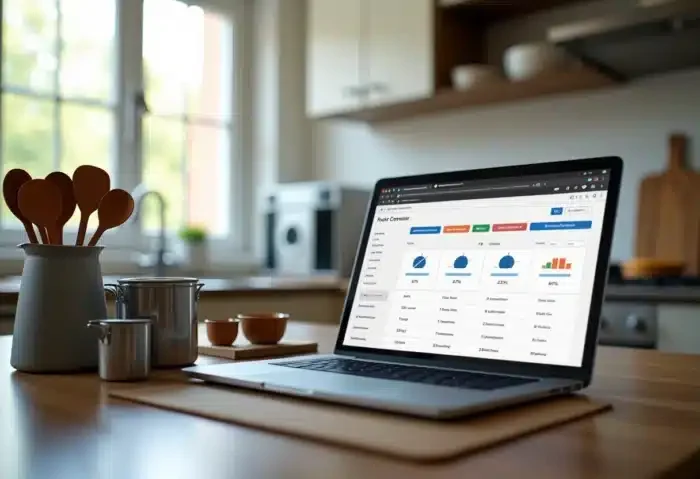
Modern cooking relies on digital tools to simplify volume conversion. Online converters are valuable allies. They allow for instant conversion of measurement units, whether for liquids or solids. Among the most popular, the website www.gourmet-galopin.com offers an easy-to-use converter, enabling you to switch from milliliters to grams, from cups to centiliters, and much more in just a few clicks.
Mobile apps dedicated to cooking conversions are also essential tools. Available on all platforms, they offer an intuitive interface and advanced features. One of the most recognized allows you to create personalized profiles for different types of ingredients, thus ensuring precise conversion based on the specific density of each component.
Measuring Utensils and Instruments: Indispensable Allies
The use of appropriate utensils remains fundamental. Measuring spoons, measuring cups, and digital kitchen scales are essential instruments to ensure measurement precision. Make sure these tools are well-calibrated and suitable for the metric system to avoid any conversion errors.
- Measuring spoons: ideal for small quantities, available in different sizes (tablespoon, teaspoon).
- Measuring cups: perfect for liquids, displaying clear and precise graduations.
- Kitchen scales: essential for weighing dry ingredients with gram-level precision.
Kitchen thermometers complete the arsenal of measuring instruments. For recipes requiring precise temperatures, such as confections or meats, these tools ensure the success of preparations by accurately measuring degrees Celsius or Fahrenheit.
The combination of these physical and digital tools ensures precise conversion and perfect execution of recipes, whether in traditional cooking or mixology. Use these resources to master conversions and elevate your culinary creations.