
Quiet luxury, pastel colors, wide-leg denim: fashion keywords for 2025 are flooding search results, but this year’s clothing trends can also be viewed through a less visible lens—that of European regulations and the real durability of garments. Understanding what is changing in our wardrobes means measuring the gap between the styles showcased on the runways and the constraints now affecting how clothes are made, resold and even destroyed.
Fashion trends 2025: a comparison of the leading styles
The Spring/Summer and Fall/Winter 2025 shows point to three recurring themes. The table below summarizes their defining features based on the pieces most frequently mentioned by specialist media.
| Style | Key pieces | Color palette | Preferred materials |
|---|---|---|---|
| Quiet luxury | Oversized coat, straight-leg trousers, midi dress | Beige, taupe, navy | Cashmere, wool, smooth leather |
| Chic comfort | Sweater dress, midi skirt, wide-leg denim | Nude, burgundy, forest green | Knitwear, satin, heavyweight denim |
| Minimalist pastels | Fluid blazer, pleated skirt, loafer | Lilac, pastel blue, rosy beige | Linen, cotton, recycled materials |
What these three styles have in common: clean cuts with no visible logos. The 2025 look puts the emphasis on cut and fabric rather than a prominent brand name.
Several analyses explore these directions in more detail. Valimero Fashion Addict mode 2025 rounds up the pieces that return season after season in women’s wardrobes.
European clothing regulations: what’s shaping 2025 wardrobes
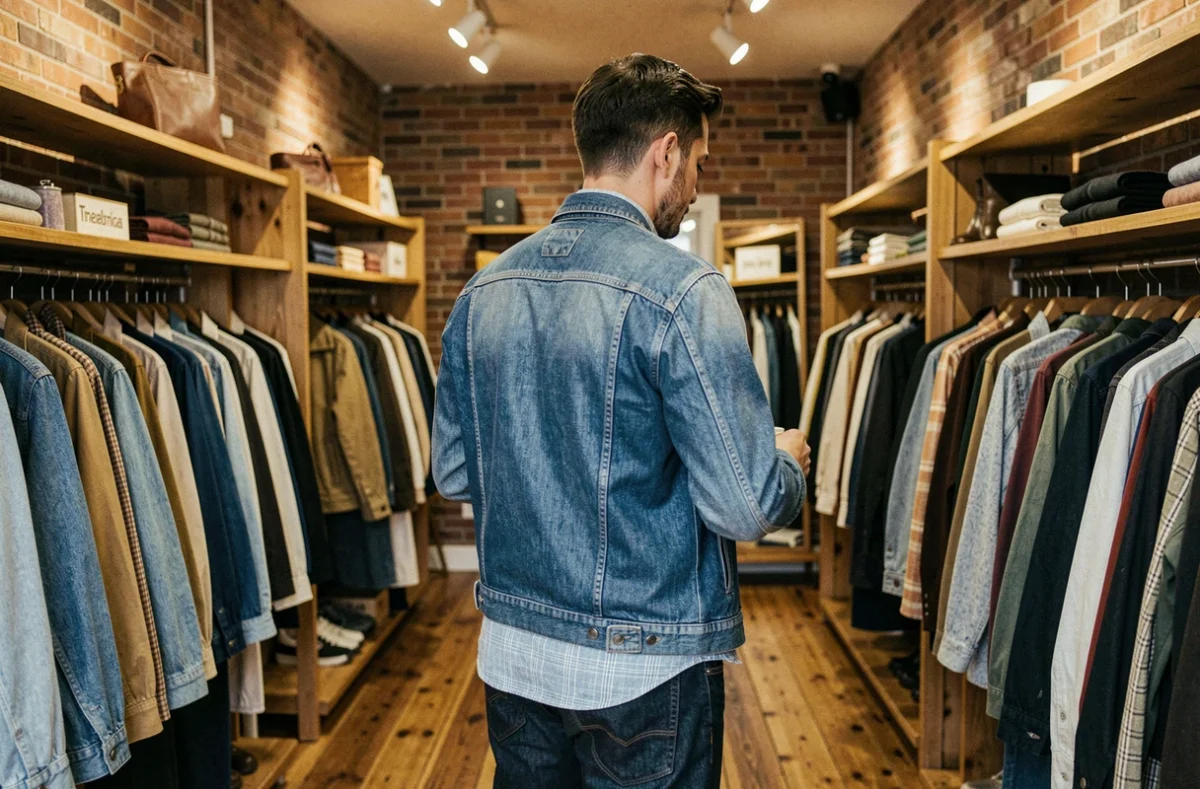
Fashion trends are no longer shaped outside the legal framework. The European Ecodesign for Sustainable Products Regulation (ESPR) is set to extend its requirements to textile products. The delegated acts that will spell out the specific obligations are still to come, but the message to brands is clear: material durability is becoming a condition for placing products on the market.
The ban on destroying unsold textiles is another driver of change. It is pushing retailers toward donating, reselling or preparing items for reuse. The scope has category-specific limits: according to designboom, leather handbags fall under a separate classification and are not included in the list covered by the measure.
For consumers, the direct result is a shift toward wardrobe pieces designed to last for several seasons. Chunky knit dresses, structured wool coats and heavyweight denim trousers fit this approach far better than disposable micro-trend items.
France’s textile repair bonus
Since 2023, the Repair Bonus has offered discounts on certain sewing and shoe-repair services carried out by approved professionals. Thanks to this scheme, repairing a garment costs less than it used to, changing the calculation when it comes to buying clothes.
A slightly damaged item—a loose hem, broken zipper or detached lining—can be given a second life at a lower cost. This makes sturdy materials an even smarter choice: an oversized wool coat can be repaired, while a thin polyester blazer is more likely to be thrown away.
Versatile wardrobe 2025: pieces that work across seasons
A wardrobe’s versatility can be measured by how many outfit combinations its pieces allow. Three types of clothing stand out as offering the best value in terms of looks per item purchased.
- The knitted midi dress: worn on its own in spring or layered over a turtleneck in winter, it works with white sneakers as well as knee-high boots. It offers the best cost-to-versatility ratio
- Wide-leg denim trousers: they work with a fluid blazer for the office or a basic T-shirt at the weekend, replacing skinny jeans in most situations
- The oversized wool coat: its roomy cut accommodates mid-layers without changing the silhouette, making it practical from early fall through to the end of winter
Colors to choose for more outfit combinations
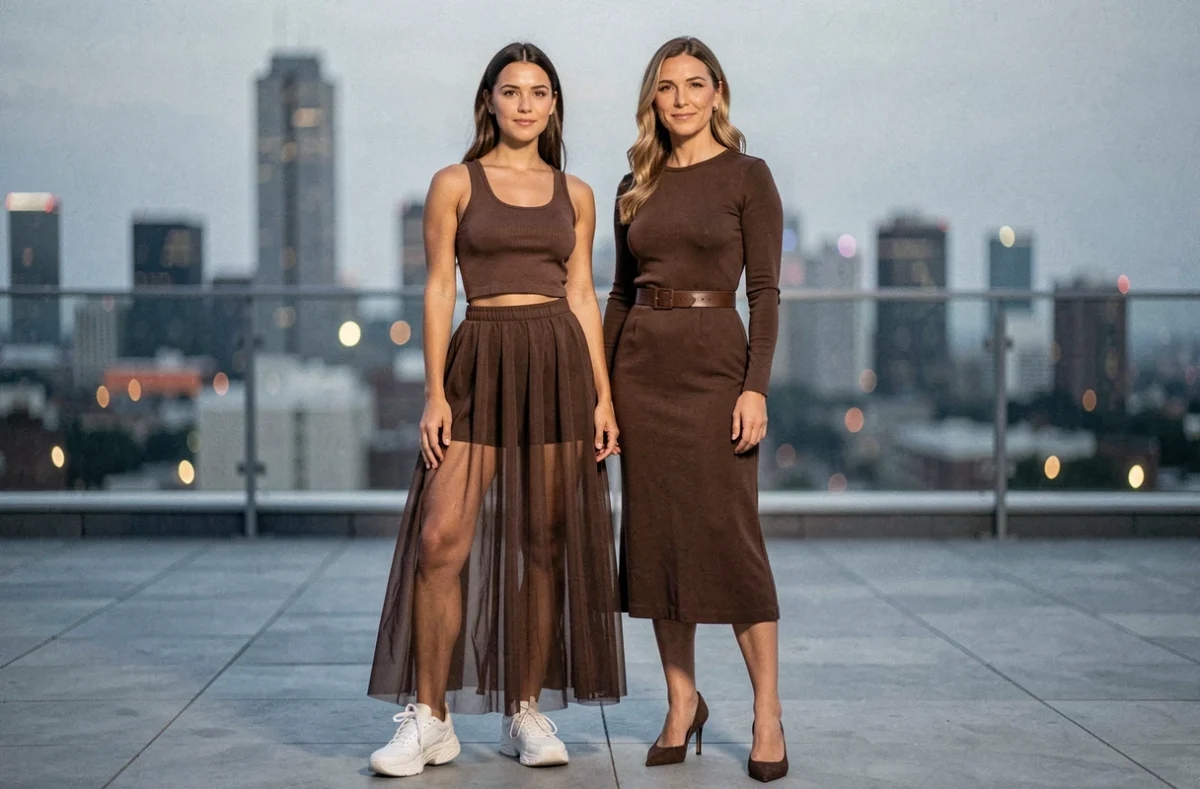
The 2025 palettes make it easier to mix and match. Beige, taupe and navy create a neutral foundation that pairs with touches of lilac or forest green without disrupting the overall look. A base of five neutral pieces can create around twenty distinct outfits.
Burgundy and rosy beige work as transitional colors: close enough to neutrals to mix easily, yet distinctive enough to add character to a minimalist look.
Secondhand and repairs: the economic side of 2025 style
The Sorting for Circularity: Project Rewear initiative, reported by Modaes Global in 2026, analyzed 1,131 items to compare the average cost of repair, inspection and cleaning with the average resale price. The findings point to real economic potential in reselling repaired items, although they do not guarantee that every individual item will be profitable.
This finding aligns with the logic behind the Repair Bonus: investing in a repair increases a garment’s resale value. For a knitted sweater dress or a wool coat, the cost may be worthwhile if the item is resold on a secondhand platform.
- Lower repair costs thanks to France’s Repair Bonus
- Higher resale prices for items that are clean, repaired and in good condition
- Durable materials such as wool, leather and heavyweight denim retain their value better than lightweight synthetic fibers
Fashion trends for 2025 are converging on a more streamlined wardrobe built around durable, neutral pieces. European regulations are accelerating this shift by making it more costly to destroy unsold goods and easier to access repairs. The most on-trend wardrobe of 2025 is also the one with the fewest pieces.