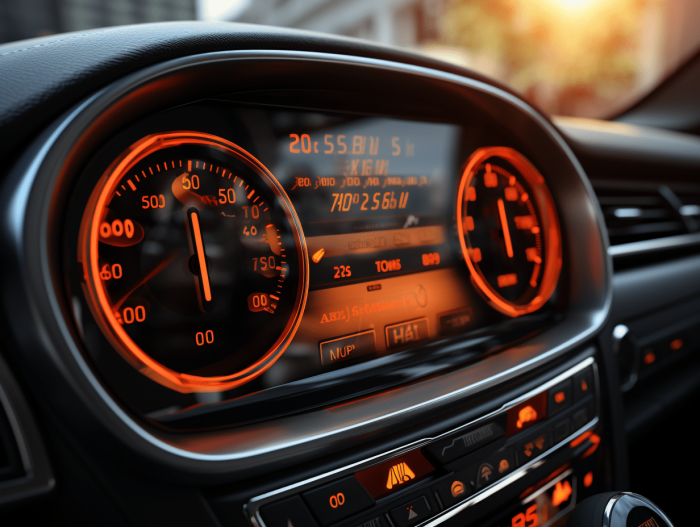
Imagine a daily life where your vehicle communicates with you, not through words, but through a series of light symbols and sound alerts. The dashboard, resembling a spaceship control panel, is essential for understanding the health status of your car. Each colored icon, every beep or light that comes on carries a message, a warning, or fundamental information for the safety and proper functioning of your road companion. Ignoring these signs can lead to perilous situations or costly damage. Therefore, understanding their meaning is an indispensable skill for any driver.
Decoding Dashboard Alerts: Understanding Your Vehicle’s Signals
The dashboard of a car is an information hub that requires vigilant attention. Among the various symbols, warning lights play a fundamental role in preventing breakdowns and accidents. An orange engine light, for example, indicates a mechanical malfunction that does not necessarily require an immediate stop. Neglecting this warning can lead to more serious long-term issues. Therefore, consider these signals as preventive indications calling for a professional inspection as soon as possible.
On the other hand, a red light indicates a much more serious situation. It signals a danger that requires an immediate stop of the vehicle to avoid any risk of further damage or endangering its occupants. Whether it concerns the braking system, indicated by a red exclamation mark light, or a transmission anomaly, it is essential to consult a professional without delay. Follow the instructions in your user manual promptly to respond to these critical alerts.
Moreover, some specific lights, such as the catalytic converter light, indicate an anomaly in emissions control. The catalytic converter, essential for reducing exhaust gas pollution, may continue to function despite this signal. However, a quick check is advisable to prevent any degradation in vehicle performance. Take these warnings seriously and act accordingly to ensure the longevity and reliability of your car.
Practical Guide: What to Do When Facing Different Warning Lights?
When faced with the dashboard light signals, reactivity is key. When confronted with a tire pressure alert, you should check and adjust the pressure as soon as possible to avoid premature wear and ensure optimal road handling. If the oil gauge symbol lights up, it’s time to check the engine oil level and, if necessary, top it up to prevent any engine damage.
The appearance of a coolant or brake fluid warning light requires immediate inspection of their respective levels. A coolant deficit can lead to engine overheating, while a brake fluid shortage compromises braking ability, endangering passenger safety. Also, be sure to monitor alerts related to brake pad wear, as they are crucial for effective deceleration.
For less experienced drivers or when faced with more complex signals like the emissions control system light, using an OBD-II scanner proves to be a valuable ally. Compatible with most vehicles manufactured after 1996, this diagnostic tool can retrieve and clear error codes, making it easier to identify the problem. Only a mechanic can perform a complete and reliable diagnosis of the vehicle and propose the necessary repairs. Therefore, if you encounter persistent or recurring warning lights, head to your repair shop without delay.